Search Results
Search this site
131 results found with an empty search
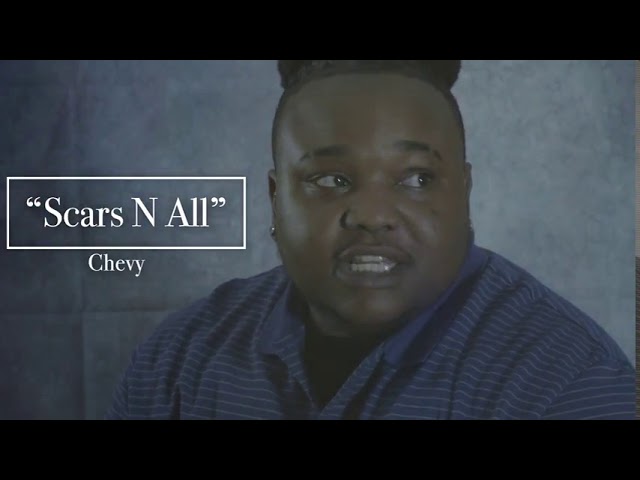
- Girlz to Men: A Documentary About Trans-Men (2019)
Girlz to Men is a documentary about three Black transgender men who share their dynamic experiences via interviews. This documentary is courtesy of the Otherness Archive All rights belong to the directors and publishers. No copyright infringement is intended. The Trans Guy Archive shares this resource on our website for the purposes of education, research, and historical empowerment. Language: English Resource type: Video, Documentary, Film Format: Video Time: 00:24:25 Date published: September 8th, 2019 Uploaded to TGA: April 16th, 2026 Last updated: April 16th, 2026
- Boy I Am (2006, Documentary)
BOY, I AM is an important exploration of issues rarely touched upon by most films portraying trans male experiences, this feature-length documentary sets itself apart from other recent films on this topic. Tackling the resistance of some women in feminist and lesbian communities who view transitioning as at best a "trend" or at worst an anti-feminist act that taps into male privilege, this groundbreaking film opens up a dialogue between the lesbian, feminist, and transgender communities while also promoting understanding of transgender issues for general audiences. Stream for free on... OvidTV Kanopy Biblio+ Or buy the film here. This documentary is courtesy of the Otherness Archive. All rights belong to Sam Feder and Julie Hollar. No copyright infringement is intended. The Trans Guy Archive shares this resource on our website for the purposes of education, research, and historical empowerment. Language: English Resource type: Video, Documentary, Film Format: Video Time: 01:08:00 Date published: 2006 Uploaded to TGA: April 16th, 2026 Last updated: April 16th, 2026
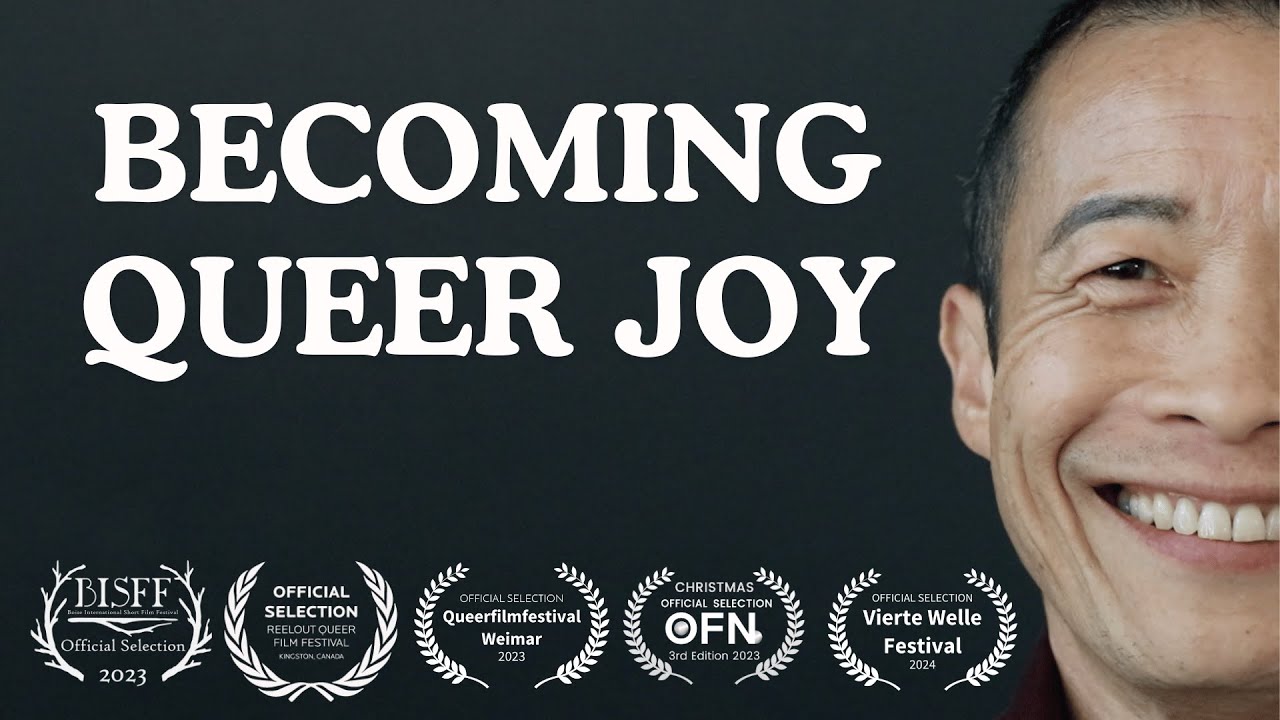
- Tien: Becoming Queer Joy (2023, Documentary)
(from Youtube description) "I think that, the only thing I wish I knew then, was that life was going to be extremely challenging and that it was okay... If you're going to stick around on Earth, just make me this one promise: make sure you have a freaking good time." Tien, is the 1st Asian Transman to publicly come out in the Vancouver, then, gay and lesbian community of 2001. In this profound and inspiring film, Tien shares his story as a pioneer, racialised transman immigrant and his journey to discovering his true purpose in life -- cultivating and becoming joy. This documentary is courtesy of the Otherness Archive All rights belong to the Reel Youth No copyright infringement is intended. The Trans Guy Archive shares this resource on our website for the purposes of education, research, and historical empowerment. Language: English Resource type: Video, Film, Documentary Format: Video Time: 00:05:58 Date published: August 16th, 2023 Uploaded to TGA: April 16th, 2026 Last updated: April 16th, 2026
- Southern Comfort (2001, Documentary)
Kate Davis's award-winning documentary chronicles the final four seasons in the life of Robert Eads, a female-to-male transsexual dying of ovarian cancer in rural Georgia. Striking a balance between Robert's biological family -- mother, father, sons and grandson -- and his "chosen" family of transgender friends including Maxwell, Cas and Lola Cola, his male-to-female transsexual partner, Davis documents Eads's final days at the Southern Comfort Conference, a national transgender gathering. This documentary is courtesy of the Digital Transgender Archive. All rights belong to the Kate Davis. No copyright infringement is intended. The Trans Guy Archive shares this resource on our website for the purposes of education, research, and historical empowerment. Language: English Resource type: Film, Documentary, Video Format: Video Time: 01:27:44 Date published: 2001 Uploaded to TGA: April 10th, 2026 Last updated: April 16th, 2026
- Albert Cashier (2016, documentary)
This short documentary from We've Been Around tells the story of Albert Cashier, who at 19 years old served in the American Civil War on the side of the Union. Cashier lived as a man for over fifty years. This documentary is courtesy of the We've Been Around. All rights belong to We've Been Around and the creators involved No copyright infringement is intended. The Trans Guy Archive shares this resource on our website for the purposes of education, research, and historical empowerment. Language: English Resource type: Documentary, Video, Film Format: Video Time: 00:04:57 Date published: June 10th, 2016 Uploaded to TGA: April 16th, 2026 Last updated: April 16th, 2026
- Audrey's Beard (2002, Documentary)
(from Youtube description) An experimental documentary about the journey from butch dyke to trans man. A visual time lapse of the filmmaker's beard growing in over a 21 day period in 1992 when the filmmaker was a butch dyke with a beard. We later catch up with a poetic V.O. and text ten years later, in 2002, recorded and added to the film as the filmmaker was transitioning to male. This documentary is courtesy of the Otherness Archive All rights belong to the Alec Butler No copyright infringement is intended. The Trans Guy Archive shares this resource on our website for the purposes of education, research, and historical empowerment. Language: English Resource type: Documentary, Experimental Video, Film Format: Video Time: 0:01:48 Date published: Filmed in 1992, published in 2002 Uploaded to TGA: April 16th, 2026 Last updated: April 16th, 2026
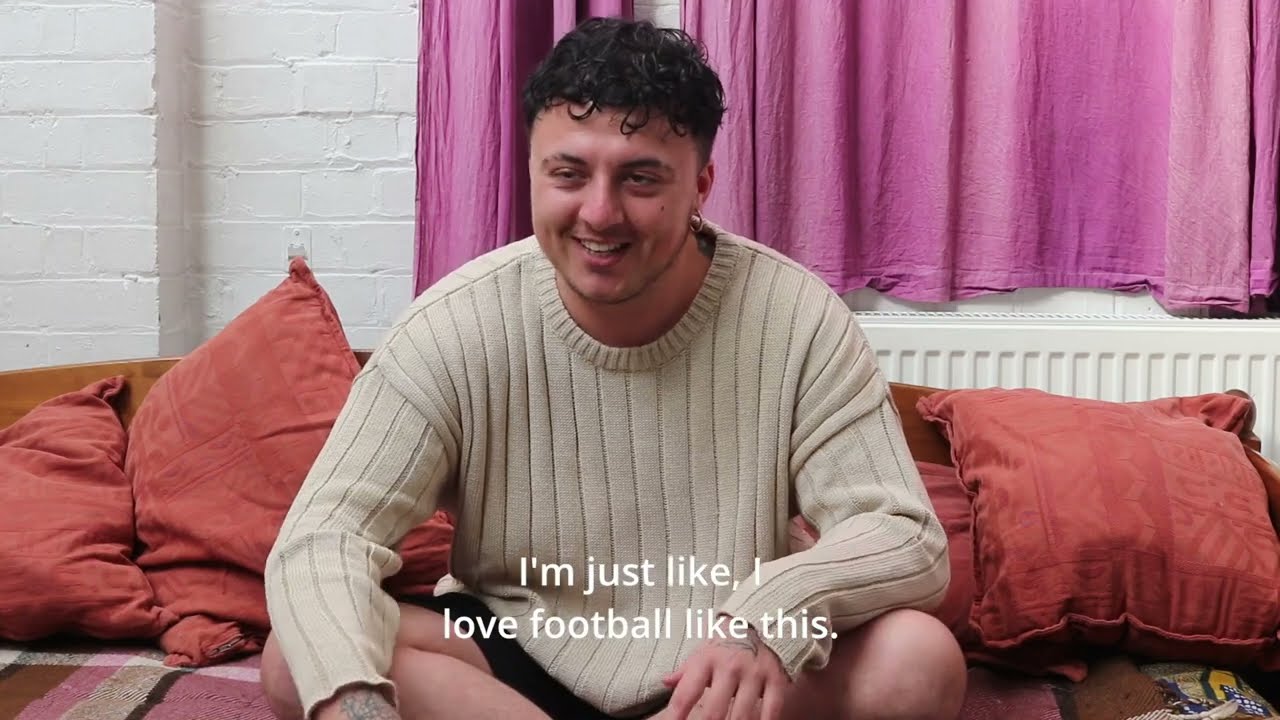
- Offside Project (2023, Documentary Series)
The Offside Project is a series of 20 filmed conversations held during the months of April to June, asking transmasculine people about their past and present access to football (soccer). This list is sorted from Oldest to Newest uploads. Maddie is a true beginner, pointing out the difficulties of living in a small town versus a big city when trying to build spaces, getting to play football at entry level once moving for university, and trying out a trans-inclusive team for the first time. Hunter describes how religion in Northern Ireland affects the ability to play football, and the possibilities of building transmasculine spaces in the future. Harris is coaching at a development centre in Aberystwyth, and discusses the difficulties of being an out trans man on a woman’s team, the potential for transmasc football, and loving Everton. Emmott shares the process of building an inclusive space centered on giving opportunities to anyone who historically hasn’t been able to play football, regardless of gender, ability, and body. Jay plays with Manchester Laces, a club attempting to build a space where trans people can play competitively outside of the FA, and tells the story of being at the Women’s Euro Finals in 2022. Caz takes us on a journey from being a shy kid, to playing for Manchester United and ManCity, to transitioning across various teams over the years, while getting into the importance of honoring the dreams they had as a kid. (Note: Due to file corruption half of this video is without image) Korey talks about creating an unconventional grassroots team with his Fish’n’Chip shop, and the limitations that currently exist in academic studies centered on the barriers trans people face in sports. E muses on being on T as a non-binary person and preferring to play in women’s and mixed gender teams, and gives advice on how best to build grassroots sports spaces through his own forays into building a sports team and working with TransActive. Lee has lived a life full of football, from playing as a kid to get through difficult times, joining a men’s team and going stealth as an adult, coaching and mentoring girls, advocating for inclusivity through his work at Mermaids, and introducing his own kids to the sport. Cole is currently looking for a place to play after having come out in high school and no longer able to participate, but isn’t sure if Kent is a place that can accommodate inclusive men’s football. Jem goes into queer theories of sports spaces and football, his love of Ted Lasso, and the difficulty of wanting to access men’s spaces while worrying about the increasingly transphobic environment of the UK. Arthur goes into detail on the iconic TDoV match, giving details on what it meant to be team captain for the day, working with Lucy Clarke and TRUK, and playing on a gay men’s team. Gabriel discusses playing football for 21 years, the need to desegregate gendered sports for children, as well as thriving in a queer-inclusive 5-aside space in London. Ruth speaks about playing goalie and refereeing for boy’s football matches as a teenager, and the necessity of building truly gender inclusive spaces that don’t police bodies, regardless of perceived gender. Shiv gives a ringing endorsement of London team Goal Diggers, and gets into the importance of acknowledging the intersection of race and gender when trying to find a space that is truly trans championing. Sam has played football for many years and is looking for a space that’s properly inclusive of trans men. We chat about the difficulty of terminology, the skill of women’s football, and the drama of men’s sports. Brooklyn takes us through playing in the US and Hong Kong as a kid, being judged as a “masculine woman” before transitioning, and cerebral discussion of trans rights in sports. Alex plays for the London team Goaldiggers, and gets into the joys of playing in women’s spaces, the inherent lesbianism of football, and the overlap of transmasculine identity and butchness. Marlon shares the experience of playing for the transmasc TRUK team on Transgender Day of Visibility, previous attempts at finding a team that can encompass a trans masculinity, and changes in acceptance since his youth. Since October 2022 a lot has changed for Frank – the story at the time centred on the difficulty in finding a space when neither men’s nor women and non-binary teams were able to be truly accepting of trans men. This documentary series is courtesy of the Otherness Archive. All rights belong to the Otherness Archive and the Offside Project. No copyright infringement is intended. The Trans Guy Archive shares this resource on our website for the purposes of education, research, and historical empowerment. Language: English Resource type: Documentary, Video, Film Format: Video Date published: ~2023 Uploaded to TGA: April 16th, 2026 Last updated: April 16th, 2026
- TIMTUM, a Trans Jew Zine by Micah Bazant
TIMTUM: a Trans Jew Zine is a 1999 project by Micah Bazant, a self-described white, disabled, trans, timtum, anti-zionist Jew. They are a visual artist and cultural organizer who works with liberation movements to reimagine the world. They create art inspired by struggles to end white supremacy, patriarchy, ableism, and transphobia. More of Micah's work can be viewed at https://www.micahbazant.com/ . Unable to view the PDF? Download the item below. This zine is courtesy of the The Internet Archive . All rights belong to Micah Bazant. No copyright infringement is intended. The Trans Guy Archive shares this resource on our website for the purposes of education, research, and historical empowerment. Language: English, Hebrew Resource type: zine, art Format: PDF, Image Date published: 1999 Uploaded to TGA: April 9th, 2026 Last updated: April 9th, 2026
- "I Was a Les Stripper -- Until I Became a Man!"
Newspaper article from The National Bulletin. Can't read the text? Click on the image to make it larger. This newspaper article is courtesy of the Digital Transgender Archive. All rights belong to the National Bulletin and Herman Matthiesen. No copyright infringement is intended. The Trans Guy Archive shares this resource on our website for the purposes of education, research, and historical empowerment. Language: English Resource type: Newspaper article/clipping Format: Image Date published: January 24th, 1972 Uploaded to TGA: April 5th, 2026 Last updated: April 5th, 2026
- A Trans Man Walks Into a Gay Bar by Harry Nicholas
"On the bookshelves, there was plenty of stuff on being gay, and much needed, joyous accounts of what it is to be trans, but nothing really that encapsulates what is it to be both – to exist in the hazy terrain between.’ After his relationship with his girlfriend of 5 years ended, Harry realised he was a single adult for the first time – not only that, but a single, transmasculine and newly out gay man. Despite knowing it was the right decision, the reality of his new situation was terrifying. How could he be a gay man, when he was still learning what it was to be a man? Would the gay community embrace him or reject him? What would gay sex be like? And most importantly, would finding love again be possible? In this raw, intimate and unflinchingly honest book, we follow Harry as he navigates the sometimes fraught and contradictory worlds of contemporary gay culture as a trans gay man, from Grindr, dating and gay bars, to saunas, sex and ultimately, falling in love. Harry’s brave and uplifting journey will show you there is joy in finding who you are." Unable to view the PDF file? Download the content below: This book is courtesy of TransReads. All rights belong to the Harry Nicholas and publishers. No copyright infringement is intended. The Trans Guy Archive shares this resource on our website for the purposes of education, research, and historical empowerment. Language: English Resource type: Book, Memoir Format: PDF Date published: May 18th, 2023 Uploaded to TGA: May 28th, 2025 Last updated: April 5th, 2026
- Trans and Genderqueer Subjects in Medieval Hagiography
"Trans and Genderqueer Subjects in Medieval Hagiography presents an interdisciplinary examination of trans and genderqueer subjects in medieval hagiography. Scholarship has productively combined analysis of medieval literary texts with modern queer theory – yet, too often, questions of gender are explored almost exclusively through a prism of sexuality, rather than gender identity. This volume moves beyond such limitations, foregrounding the richness of hagiography as a genre integrally resistant to limiting binaristic categories, including rigid gender binaries. The collection showcases scholarship by emerging trans and genderqueer authors, as well as the work of established researchers. Working at the vanguard of historical trans studies, these scholars demonstrate the vital and vitally political nature of their work as medievalists. Trans and Genderqueer Subjects in Medieval Hagiography enables the re-creation of a lineage linking modern trans and genderqueer individuals to their medieval ancestors, providing models of queer identity where much scholarship has insisted there were none, and re-establishing the place of non-normative gender in history." EISBN: 978-90-485-4026-6 Unable to view the PDF file? Download the content below: You can also access the book by... Reading it for free on JSTOR Buying it from Amsterdamn University Press Buying it on a wide variety of other websites This book is courtesy of the JSTOR. All rights belong to Alicia Spencer-Hall, Blake Gutt, and publishers . No copyright infringement is intended. The Trans Guy Archive shares this resource on our website for the purposes of education, research, and historical empowerment. Language: English Resource type: Book, Journal Format: PDF Date published: 2021 Uploaded to TGA: May 28th, 2025 Last updated: April 5th, 2026
- Becoming a Visible Man (2nd ed.) by Jamison Green
From the publisher: “Leading transsexual activist Jamison Green combines candid autobiography with informed analysis to offer unique insight into the multiple challenges of the female-to-male transsexual experience, ranging from encounters with prejudice and strained relationships with family to the development of an FTM community and the realities of surgical sex reassignment. Offers recollections of Green’s own experiences-including his childhood struggles with identity and his years as a lesbian parent prior to his sex-reassignment surgery; examines transsexualism as a human condition, and sex reassignment as one of the choices that some people feel compelled to make in order to manage their gender variance. The 2nd edition has been thoroughly revised, updated, and expanded to reflect political, cultural, and linguistic changes as well as concerns and issues that have developed since the original text was published in 2004.” Unable to view the PDF file? Download the content below: This book is courtesy of TransReads. All rights belong to Jamison Green and publishers No copyright infringement is intended. The Trans Guy Archive shares this resource on our website for the purposes of education, research, and historical empowerment. Language: English Resource type: Book, Memoir, Non-Fiction Format: PDF Date published: May 4th, 2004 Uploaded to TGA: May 28th, 2025 Last updated: April 5th, 2026